
Yoga Therapy is reshaping the way we understand and support youth mental health—and if you’ve been feeling the weight of stress, emotional fatigue, or the constant rush of modern life, you’re not alone. Welcome to Home Well Zone, where we explore simple, meaningful ways to nurture mental and emotional wellbeing in real, everyday life. Whether you’re seeking calm for yourself, balance for your family, or gentle practices that fit naturally into your daily routine, this article is designed to inform, comfort, and inspire. Let’s slow down, breathe deeply, and move toward a healthier, more peaceful life together.
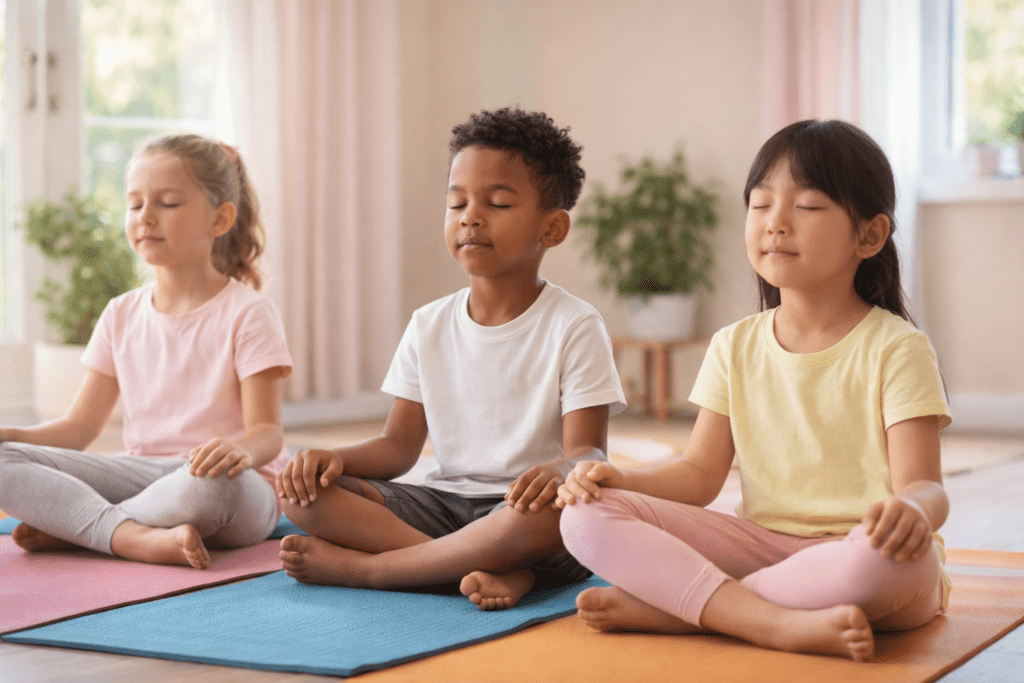
Youth mental health is no longer a distant concern. It is unfolding every day in classrooms, homes, and online spaces where children and teenagers are navigating pressure far beyond their years. Anxiety, emotional overload, sleep struggles, and disconnection are becoming common experiences rather than exceptions.
Amid this growing challenge, a quiet shift is taking place. Yoga therapy is emerging as a trusted, practical support system for young minds. By 2026, it is no longer viewed as a niche wellness activity but as a meaningful part of modern youth mental health care.
Unlike approaches that rely solely on conversation, yoga therapy works through movement, breathing, and awareness. This makes it especially effective for children who find it difficult to explain how they feel.
Here are seven ways yoga therapy is reshaping youth mental health in 2026.
READ MORE: KIDS SCREEN TIME: POWERFUL GUIDE FOR PARENTS IN 2026
Yoga Therapy helps children calm big emotions naturally
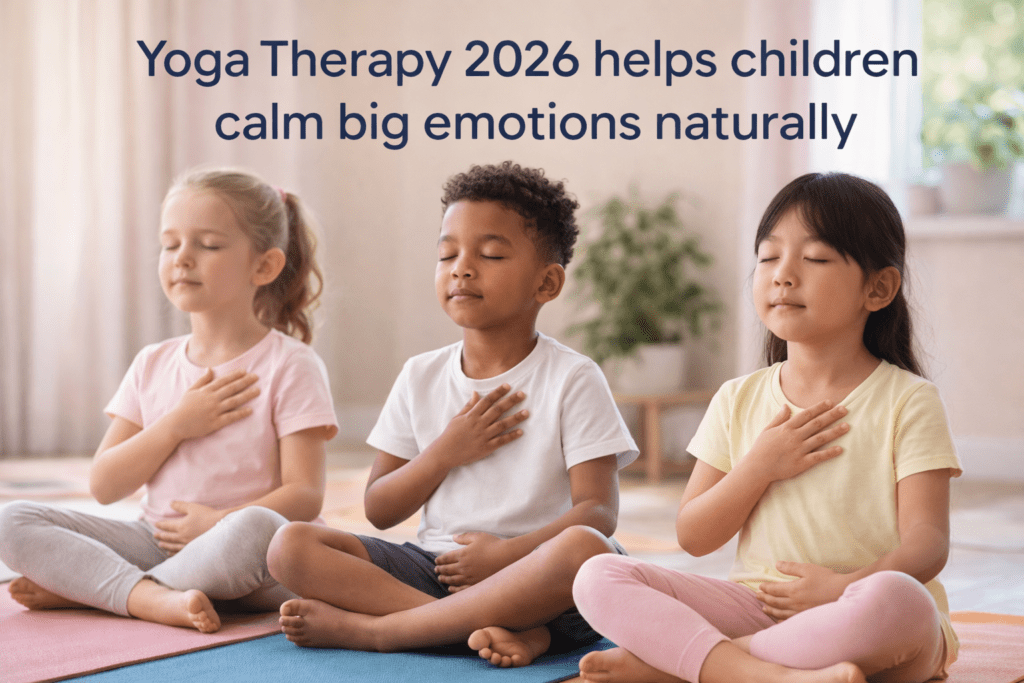
Children often feel emotions intensely but lack tools to manage them. Yoga therapy introduces gentle movements and breathing techniques that help slow the body’s stress response. Over time, children learn how to pause, notice what they are feeling, and respond calmly rather than reacting impulsively.
This ability to self-regulate supports emotional stability at home, in school, and in social settings.
Read More: Clean Your Food Processor: 5 Clever Tips from a Housewife
Yoga Therapy reduces anxiety without pressure or labels
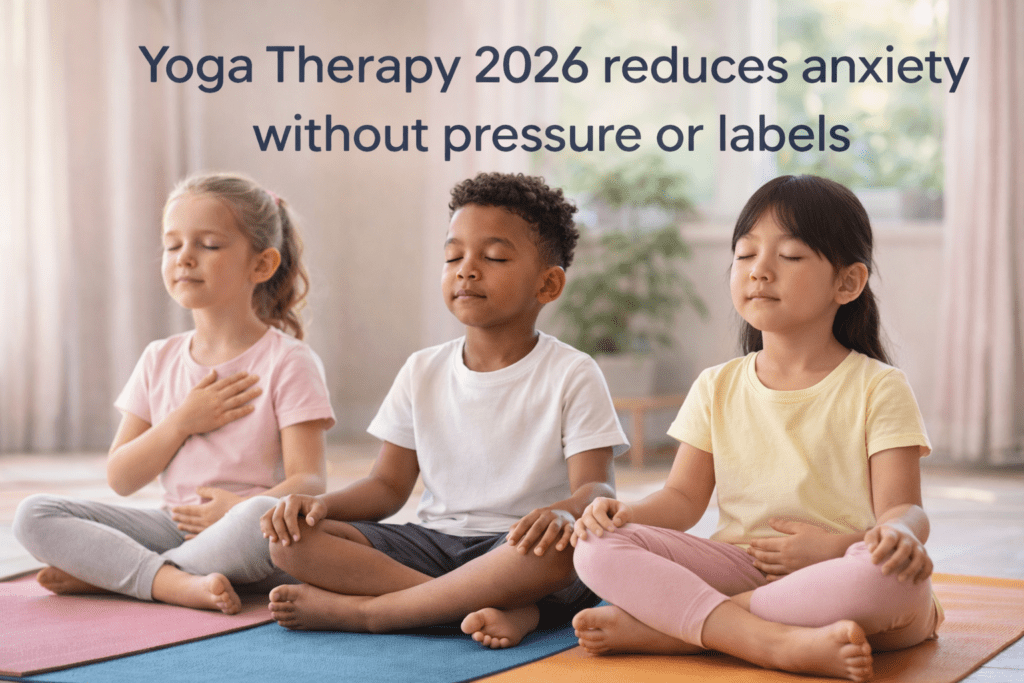
Anxiety in young people frequently shows up in physical ways such as restlessness, stomach discomfort, shallow breathing, or constant worry. Yoga therapy addresses anxiety at the body level, where it often begins.
By teaching slow breathing and grounding practices, yoga therapy helps children feel safe in their own bodies. This sense of safety lowers anxiety gradually and sustainably, without forcing children to talk before they are ready.
READ MORE: PET CARE: CHECKLIST FOR DOGS & CATS IN 2026
Yoga Therapy rebuilds a healthy connection with the body
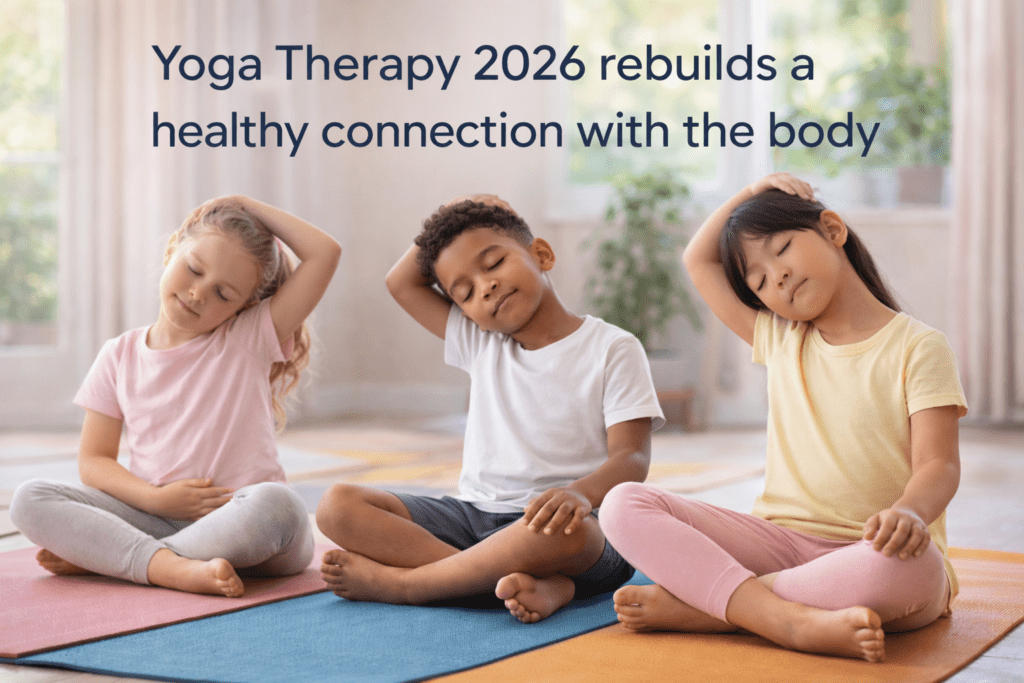
Many children experiencing stress or emotional difficulty feel disconnected from their bodies. Yoga therapy gently restores this connection by encouraging awareness of posture, movement, and breath.
Children learn to notice sensations without judgment, which supports self-acceptance and confidence. This is particularly valuable for children dealing with body image concerns, trauma, or emotional withdrawal.
Discover delightful kids’ stories, young-adult novels, and motivational reads at Ebooks Mart—your trusted home for instant digital books at https://ebooksmart.shop/
Yoga Therapy supports trauma-aware healing in a gentle way

Trauma often lives in the body rather than in words. Yoga therapy provides a trauma-sensitive approach that prioritizes choice, control, and safety.
Children are never pushed beyond their comfort zone. Instead, they are encouraged to listen to their bodies and make their own decisions during sessions. This sense of autonomy helps rebuild trust and emotional resilience over time.
Yoga therapy effectively relieves neck and shoulder pain in 7 days.
Yoga Therapy improves focus and learning readiness
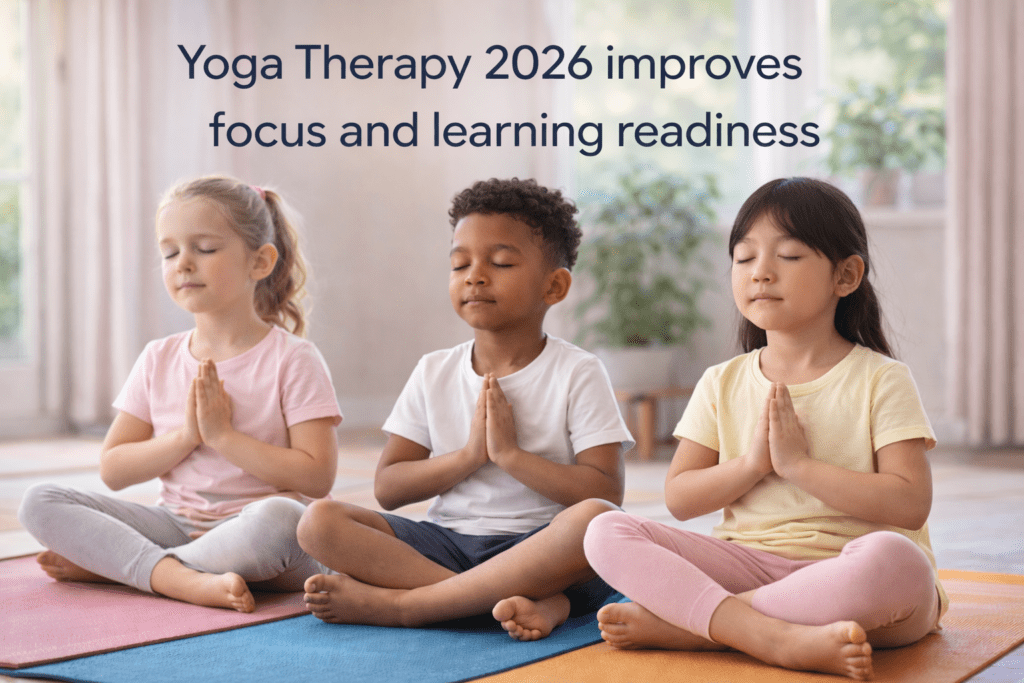
Mental fatigue and digital overload have made focus a daily challenge for many young people. Yoga therapy helps clear mental noise by bringing attention back to the present moment.
Schools and families that integrate short yoga or mindfulness routines often observe improved concentration, calmer classroom behavior, and healthier peer interactions. When the nervous system settles, learning becomes more accessible.
Yoga Therapy improves sleep and daily balance
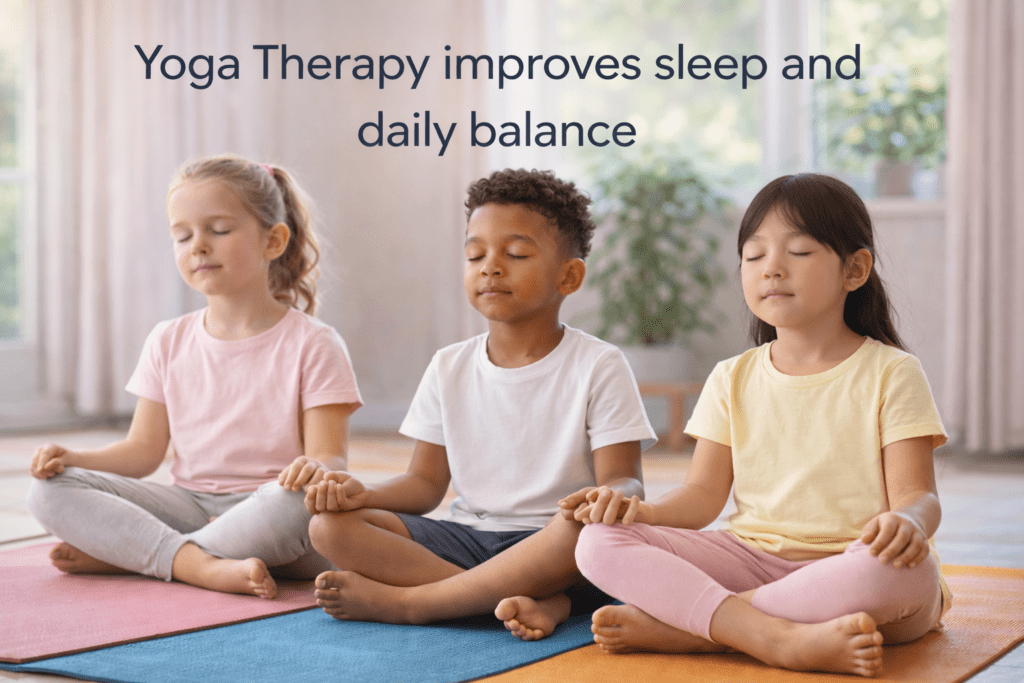
Sleep difficulties are closely linked to emotional struggles in children and teenagers. Yoga therapy includes relaxation techniques that support healthy sleep by calming the nervous system before bedtime.
Children who practice these techniques regularly often experience deeper rest, fewer nighttime awakenings, and improved mood during the day. Better sleep supports emotional balance and overall wellbeing.
Yoga Therapy builds lifelong emotional skills
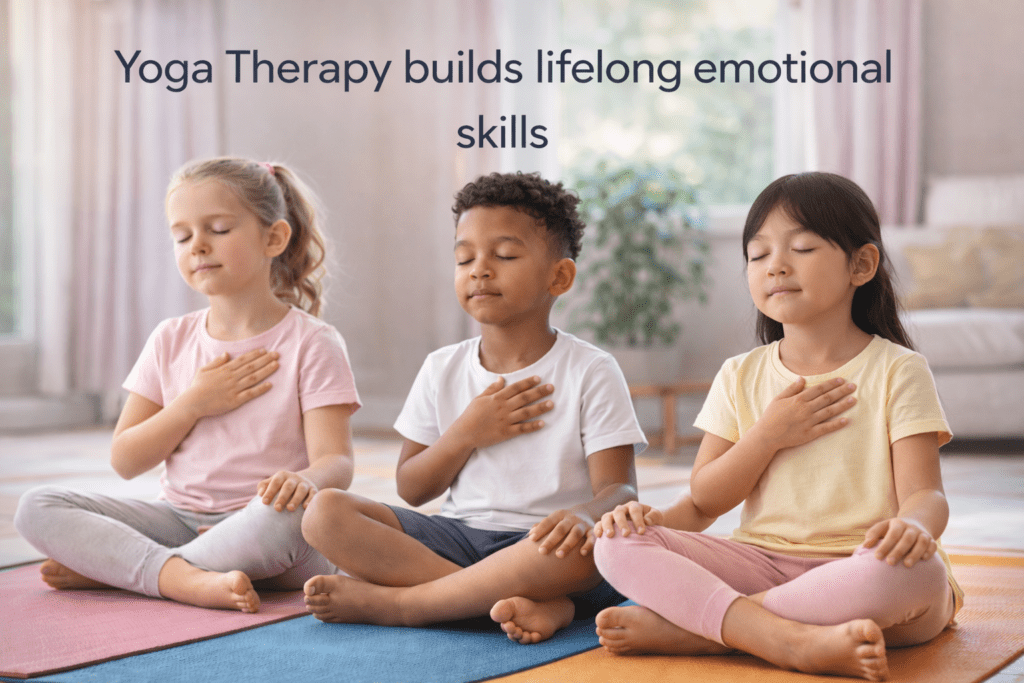
One of the most powerful aspects of yoga therapy is its long-term impact. Children do not just feel better temporarily. They develop internal tools they can carry into adolescence and adulthood.
Breathing awareness, grounding techniques, and self-observation become lifelong coping skills. These tools help young people navigate stress, change, and emotional challenges with greater confidence.
Read More: The Science-Backed Benefits Of A Daily 15-Minute Yoga Practice
Why Yoga Therapy is gaining attention in youth mental health care
Mental health systems worldwide are under strain, with growing demand and limited resources. Yoga therapy complements existing treatments by offering a low-cost, adaptable, and accessible approach.
Children often engage more willingly with yoga therapy because it feels supportive rather than clinical. This increases participation and encourages consistency, which is essential for lasting results.
What the future holds for Yoga Therapy beyond 2026
As research continues and awareness grows, yoga therapy is expected to expand further into schools, child mental health services, and community programs. Practitioners are refining child-focused and trauma-aware methods to meet diverse needs.
At its core, yoga therapy offers something increasingly rare in modern childhood: a quiet space to pause, breathe, and feel safe. In a fast-moving world filled with constant stimulation, this gentle approach may become one of the most valuable supports we offer the next generation.
FAQs
What is the yoga therapy?
Yoga therapy is a personalized health approach that uses yoga-based techniques to support physical, mental, and emotional wellbeing. Unlike general yoga classes, yoga therapy adapts movement, breathing, and relaxation practices to individual needs. In 2026, it is increasingly used alongside modern healthcare to help people manage stress, anxiety, pain, trauma, and lifestyle-related conditions in a gentle and sustainable way.
What are the main principles of yoga therapy?
The main principles of yoga therapy focus on individualization, safety, and whole-person healing. Each practice is designed around the person’s current physical condition, emotional state, and life circumstances. Emphasis is placed on mindful breathing, gentle movement, self-awareness, and gradual progress rather than performance. The goal is to support balance in the body and nervous system while empowering long-term self-care.
How is yoga therapy different from yoga?
Yoga therapy differs from yoga in its purpose and structure. General yoga is often group-based and fitness-oriented, while yoga therapy is targeted and therapeutic. In yoga therapy, practices are selected to address specific concerns such as anxiety, chronic pain, recovery, or emotional regulation. Sessions may be one-to-one and are guided by health goals rather than poses alone.
What are the different types of yoga therapy?
Yoga therapy includes several approaches depending on the individual’s needs. Some types focus on mental health and emotional regulation, while others support physical rehabilitation, chronic pain management, or nervous system calming. In recent years, trauma-informed yoga therapy and child-focused yoga therapy have grown significantly, especially in schools and mental health services. Breath-centered and mindfulness-based methods are also widely used.
What are the basics of yoga therapy?
The basics of yoga therapy include conscious breathing, gentle and accessible movement, relaxation techniques, and mindful awareness. Sessions usually begin with calming the breath, followed by simple movements adapted to the body’s abilities. Rest and reflection are essential parts of the practice. The emphasis is always on comfort, safety, and listening to the body rather than pushing limits.
What happens if I do yoga for 30 days?
Practicing yoga consistently for 30 days often leads to noticeable changes in both body and mind. Many people experience reduced stress, improved sleep, better flexibility, and increased mental clarity. Emotionally, regular practice can support calmer reactions, improved mood, and greater self-awareness. The most lasting benefit is often the development of healthy routines that encourage balance and resilience beyond the 30-day period.