
Garden planning is one of the most effective ways to create a thriving home garden in 2026. By planning the entire growing season in advance—taking into account sunlight, space, soil health, planting timelines, and ongoing care—home gardeners can avoid common mistakes and enjoy stronger, more consistent growth from spring through fall. A thoughtful plan saves time, reduces stress, and makes gardening more enjoyable. At Home Well Zone, we share practical, experience-driven insights that help homeowners plan smarter and build healthier living spaces, indoors and out.
Garden Planning
Garden planning is no longer just a hobbyist’s checklist—it’s the foundation of a productive, stress-free home garden. In 2026, successful home gardeners aren’t planting on impulse. They are planning the entire season in advance to save time, avoid common mistakes, and enjoy consistent results from spring through fall.
Whether you grow vegetables, flowers, or a mix of both, these 7 powerful garden planning steps will help you design a season that actually works.
Read More: 5 Eco-Friendly Backyard Ideas for Summer 2025
Garden Planning: Start by Understanding Your Space
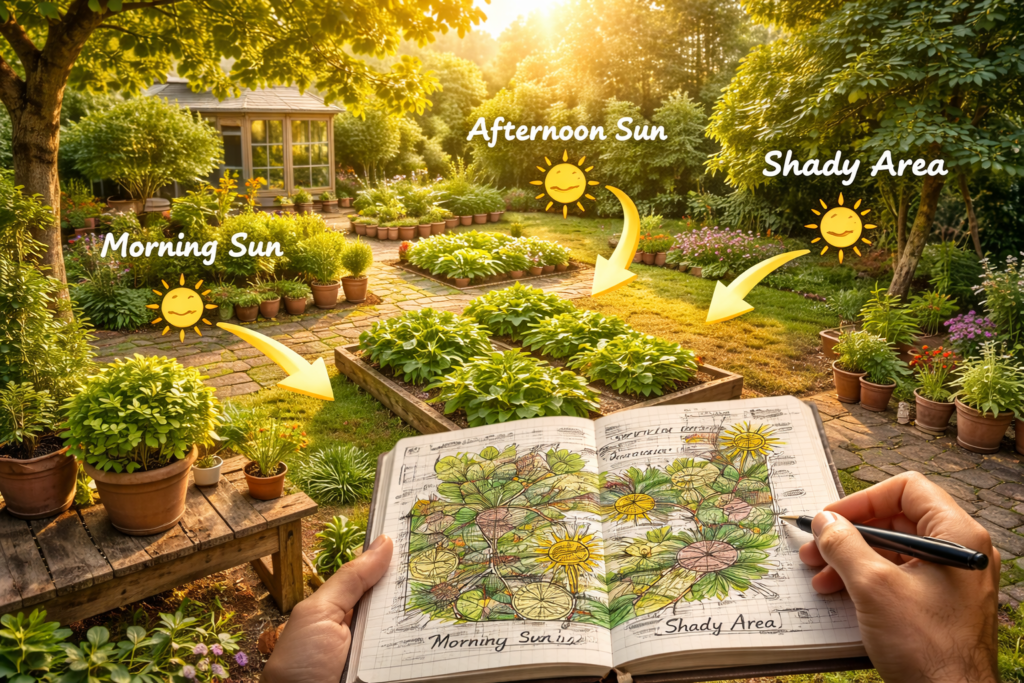
Before seeds or soil come into play, effective garden planning begins with observation.
Look closely at your outdoor space. Notice where sunlight hits in the morning, afternoon, and evening. Most vegetables and flowering plants need six to eight hours of direct sun, while others prefer partial shade. Also take note of slopes, wind exposure, fences, patios, and existing trees.
This step prevents one of the most common gardening mistakes: planting the right plant in the wrong place. When you understand your space first, every decision that follows becomes easier and more accurate.
READ MORE: MAKEUP TRENDS: 7 VIRAL LOOKS EVERYONE WANTS IN 2026
Garden Planning: Choose the Right Garden Setup Early
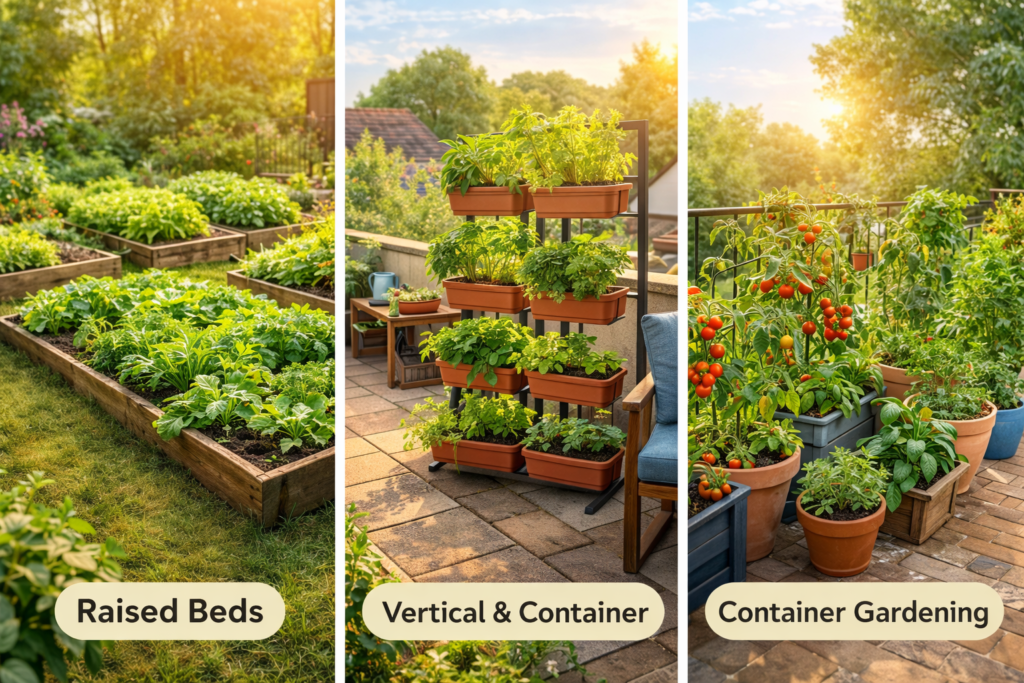
Garden planning works best when you decide how you will grow before choosing what to grow.
Some gardeners thrive with in-ground beds, while others find raised beds easier to manage. Container and vertical gardening are ideal for patios, balconies, or limited yards. Each option affects watering, soil quality, spacing, and long-term maintenance.
Choosing your garden structure early helps you plan realistically—based on time, space, and physical effort—rather than ambition alone.
Read More: These 12 garden trends are set to reshape our outdoor spaces in 2026
Garden Planning: Map the Entire Growing Season
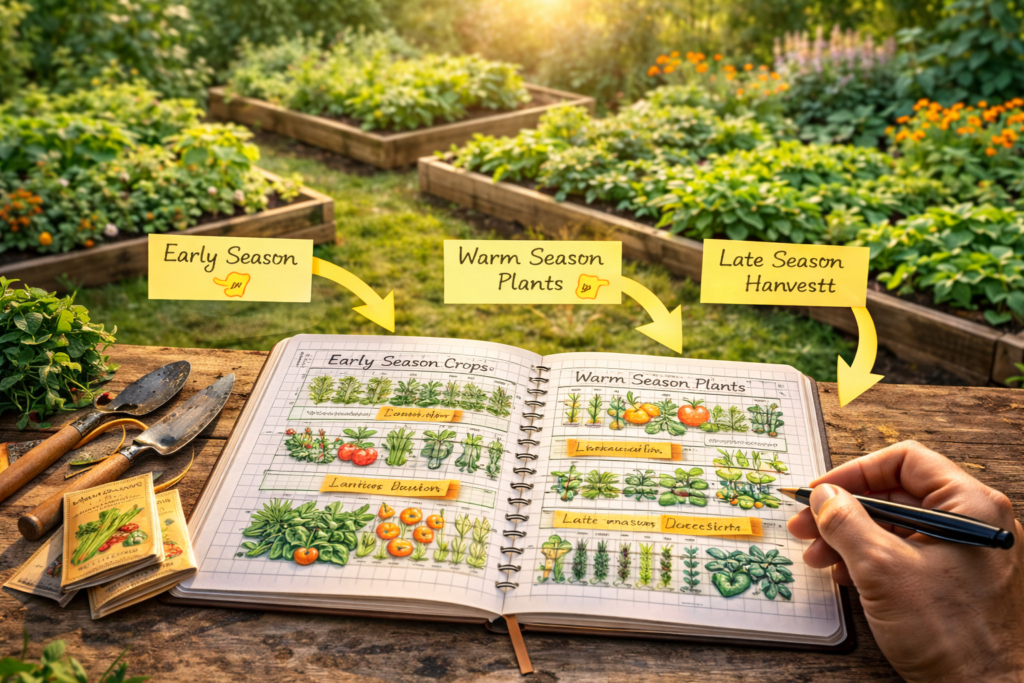
This is where garden planning truly becomes powerful.
Instead of focusing only on spring planting, plan your garden as a full season cycle. Identify early-season crops, warm-season plants, and late-season harvests. This approach allows you to reuse space, stagger planting dates, and keep beds productive longer.
A seasonal plan also reduces overcrowding and makes it easier to manage harvests without being overwhelmed all at once. Gardeners who plan the whole season grow more with less effort.
Discover delightful kids’ stories, young-adult novels, and motivational reads at Ebooks Mart—your trusted home for instant digital books at https://ebooksmart.shop/
Garden Planning: Gather Seeds, Tools, and Supplies Ahead of Time
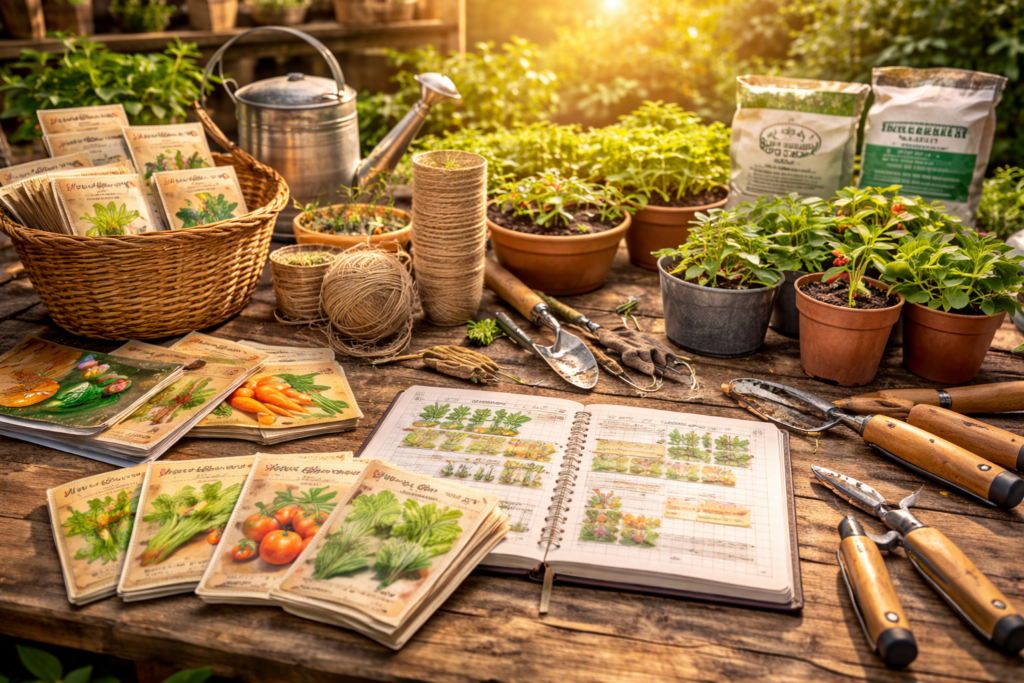
Waiting until planting time often leads to limited choices and rushed decisions.
Smart garden planning includes ordering seeds, checking tools, and preparing supplies weeks—or even months—in advance. This ensures access to preferred plant varieties and gives you time to adjust plans if something is unavailable.
Being prepared early also reduces stress and allows you to start planting when conditions are right, not when supplies finally arrive.
Garden Planning: Use Simple Systems to Stay Organized
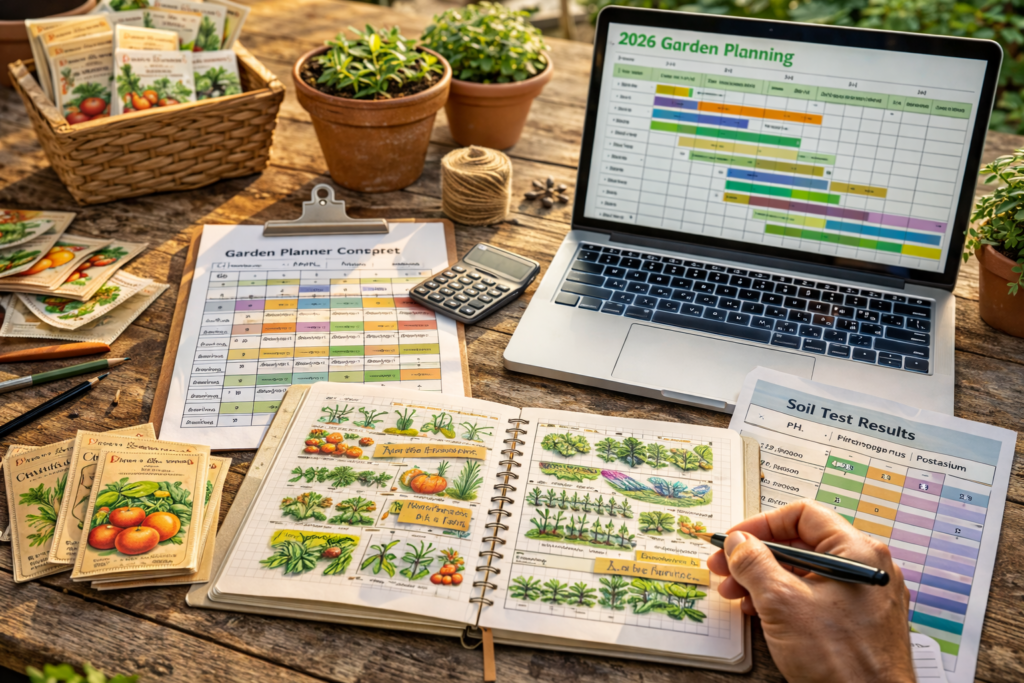
You don’t need complex software to plan effectively.
Many experienced gardeners rely on simple tools like notebooks, printable planners, or spreadsheets. These help track planting dates, spacing, rotations, and harvest results. Over time, these records become one of your most valuable gardening resources.
Discover-friendly content favors practical, repeatable systems—and this is one of the most helpful habits you can build.
Garden Planning: Prepare Soil Before the First Seed Is Planted
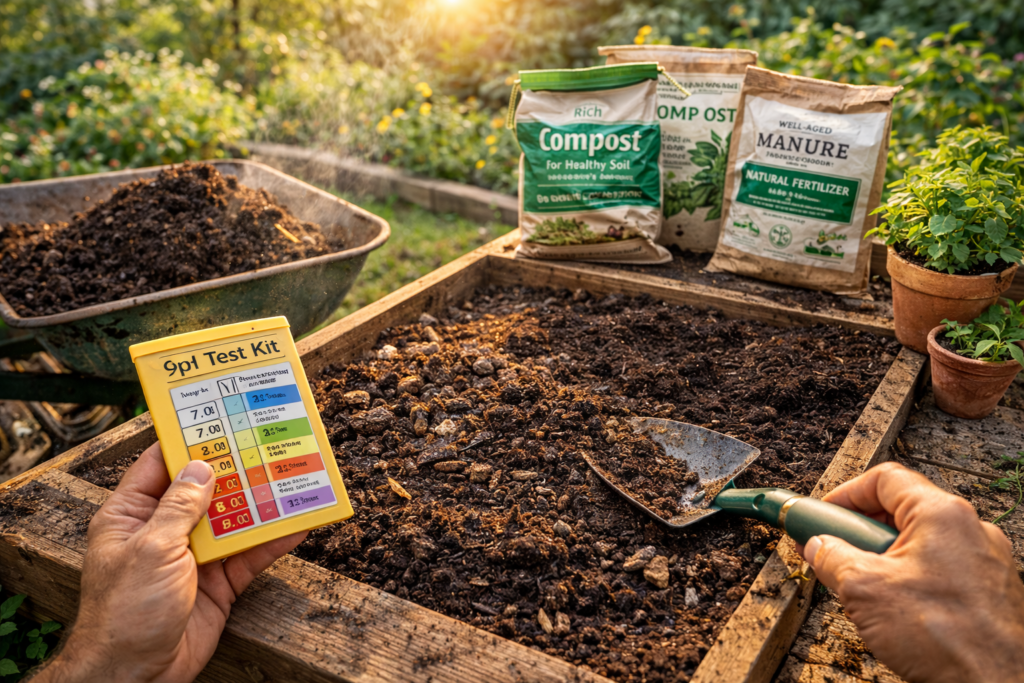
Healthy soil is not a last-minute task—it’s a planning decision.
Before planting in 2026, take time to test your soil, add organic matter, and improve structure if needed. Compost, leaf mold, and well-aged manure strengthen soil and support healthy root development.
Gardeners who prepare soil early experience fewer nutrient problems, stronger plants, and better yields throughout the season.
Garden Planning: Leave Room for Adjustment and Learning
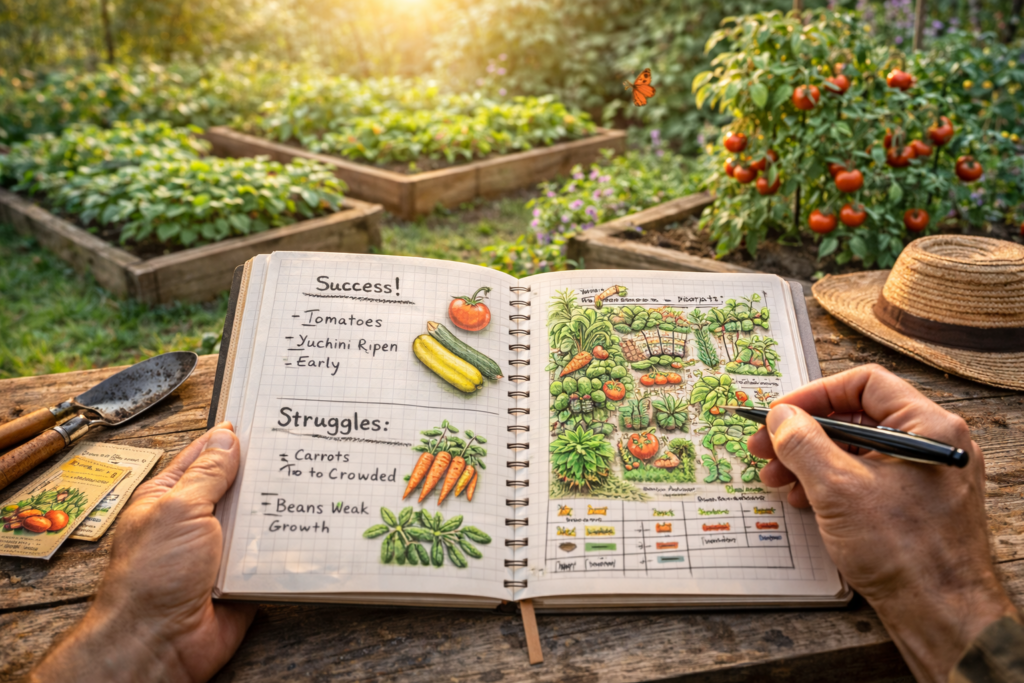
Even the best garden plans need flexibility.
Weather patterns shift. Plants behave differently than expected. Garden planning works best when it’s treated as a guide, not a rigid rulebook. Keep notes on what performs well and what struggles. Adjust spacing, timing, and crop choices as the season unfolds.
This reflective approach turns each growing season into experience—and that experience is what builds long-term gardening success.
Final Thoughts: Why Garden Planning Matters More Than Ever in 2026
Garden planning isn’t about perfection. It’s about clarity.
When you plan your entire garden season, you spend less time fixing problems and more time enjoying results. In 2026, the most successful home gardeners are those who think ahead, stay organized, and adapt with confidence.
A well-planned garden doesn’t just grow better—it makes gardening simpler, calmer, and more rewarding.
Disclaimer
The information in this article is intended for general home gardening guidance only. Results may vary based on location, climate, soil conditions, and individual gardening practices. Always consider local growing conditions and expert advice when planning your garden.
FAQs
How to create a garden step by step?
To create a garden step by step, start by looking at your space and sunlight. Choose what you want to grow and decide how you’ll grow it, such as in the ground, raised beds, or containers. Prepare the soil, plant at the right time, water regularly, and care for your plants as they grow.
What is the best way to plan a garden?
The best way to plan a garden is to plan the entire growing season ahead of time. Check sunlight and soil, choose plants for your climate, and plan when to plant and harvest. Planning early helps you avoid mistakes and grow a healthier garden.
How to make a beautiful garden step by step?
To make a beautiful garden, start with a simple layout. Choose plants that look good together and place taller plants in the back. Leave enough space for growth and keep the garden neat with regular watering, trimming, and seasonal care.
What are the principles of garden planning?
The principles of garden planning include knowing your sunlight, choosing the right plants for your area, preparing healthy soil, spacing plants properly, and planning for seasonal changes. Good planning also makes gardening easier to maintain.
What are the 7 main principles of design?
The seven main principles of design are balance, contrast, emphasis, movement, pattern, rhythm, and unity. These principles help create designs that look organized, attractive, and easy to understand.
What are the 7 principles of landscape design?
The seven principles of landscape design are unity, balance, proportion, rhythm, focal points, simplicity, and variety. These principles help create outdoor spaces that look natural, functional, and visually pleasing.