
Interior design trends are reshaping the way homes feel and function in 2026, as more people move beyond picture-perfect spaces and embrace interiors that support real life. By understanding how texture, light, color balance, layout, and personal habits work together, homeowners can avoid trend-driven mistakes and create spaces that feel timeless, comfortable, and genuinely lived-in. A thoughtful design approach improves daily routines, enhances well-being, and allows homes to adapt effortlessly to changing needs. At Home Well Zone, we share practical, experience-driven interior insights that help readers stay ahead of trends and make smarter, more confident design decisions in 2026.
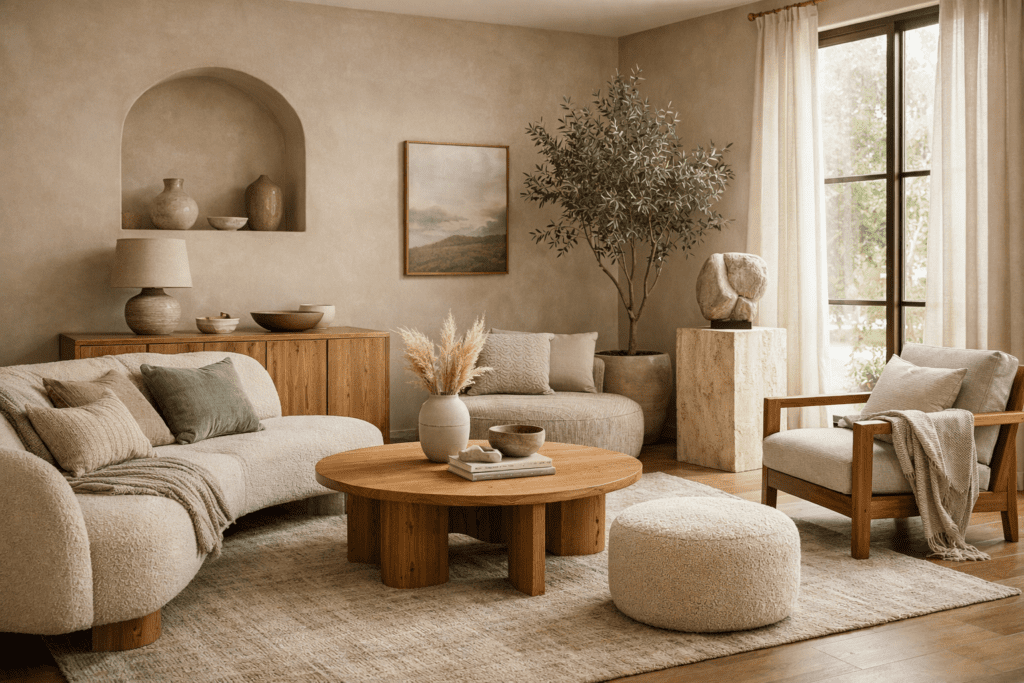
Modern home design in 2026 reflects more than passing aesthetic movements; it’s an ongoing conversation about comfort, personality and daily living. This year’s interior styles celebrate authenticity and intention. Homeowners are embracing rooms that feel lived‑in yet refined, and materials that age gracefully rather than date quickly. The following seven interior design trends are making waves because they priorities how spaces feel and function, not just how they look. Each trend offers fresh ways to update your home while keeping your unique style front and center.
READ MORE: HOME IMPROVEMENT: QUIET CHANGES TRANSFORMING HOMES IN 2026
Interior Design: Soft‑Focused Spaces With Layered Textures
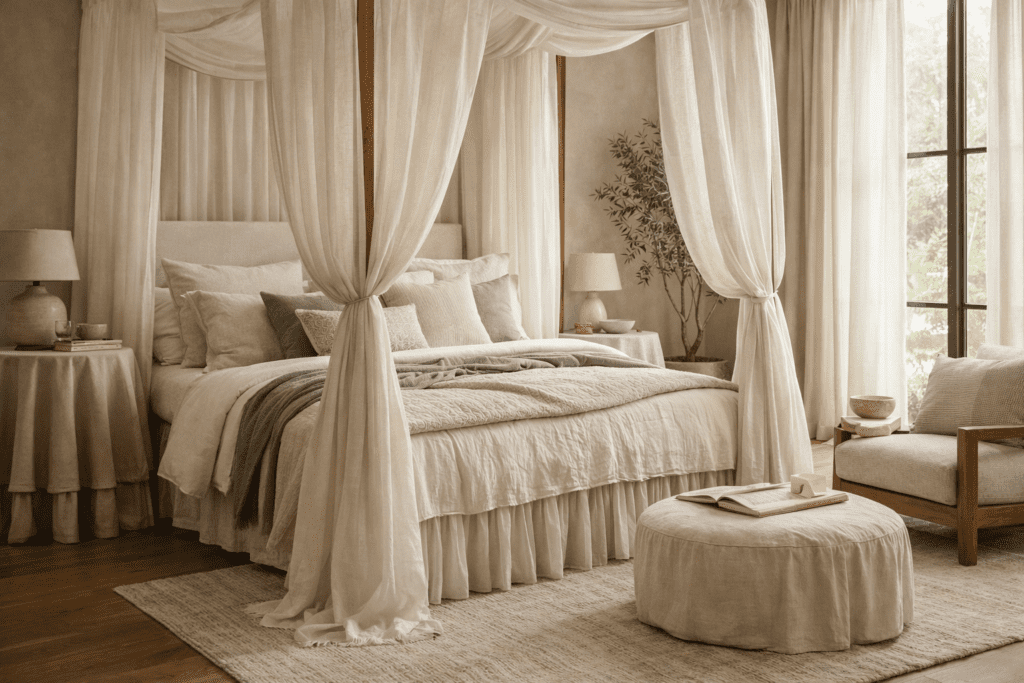
The quest for perfect interiors no longer means removing every hint of life. In 2026, the most coveted rooms are those where softness and texture coexist with practicality. Think billowy curtains pooling on the floor, canopy beds draped with gauzy fabric and sofas adorned with tactile cushions.
What’s new in 2026:
- Layered textiles everywhere: Bedrooms are evolving into lush sanctuaries with extra fabrics around beds and windows. Canopy frames, bed skirts and generous drapery add dimension and a sense of romance without being fussy.
- Skirted details: Skirts have moved off runways and into interiors. Sinks, side tables and even sofas are dressed in tailored skirts that hide storage, soften hard lines and lend a bespoke look.
- Mixed fabrics: Linen, velvet and cotton are layered together to create depth. Combining different weights and weaves ensures a room feels welcoming and lived‑in rather than staged.
Designer tip: Balance layers with breathing room. Use tonal variations of the same colour palette to tie mixed fabrics together, and keep backgrounds neutral to let texture take centre stage.
Why it’s popular: This look feels luxurious yet approachable. Layered textiles mute noise and soften light, making spaces more restful while adding personality.
Discover delightful kids’ stories, young-adult novels, and motivational reads at Ebooks Mart—your trusted home for instant digital books at https://ebooksmart.shop/
Interior Design: Statement Archways With Minimalist Forms
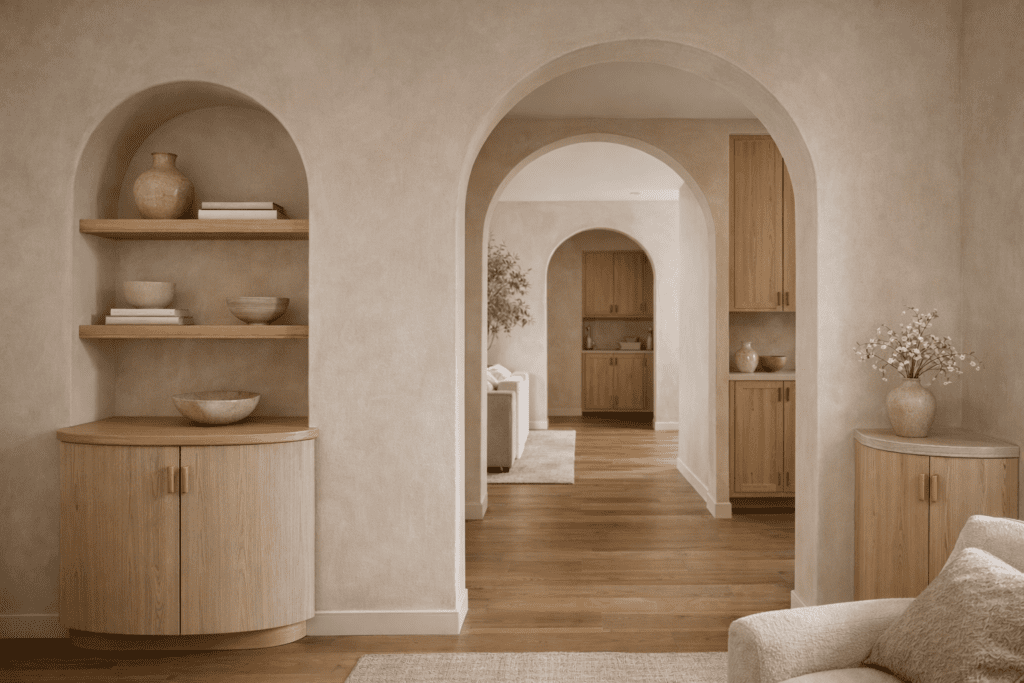
Curves are back—not in flashy ways but in subtle architectural gestures that guide the eye and soften transitions between rooms. Designers are experimenting with built‑in archways, rounded doorframes and curved storage niches.
Key elements of the look:
- Architectural curves: Passageways take on graceful arcs, elevating simple hallways or entry points without distracting from the rest of the house.
- Integrated storage: Rounded edges on built‑ins and cabinets feel modern and timeless. Curved doors hide practical storage in plain sight, creating a seamless flow.
- Continuous lines: Arched details link living areas and kitchens visually. They serve as focal points without needing additional ornamentation.
What makes it new: Unlike past eras of ornate arches, 2026’s curves are crisp and pared back. This makes them versatile for both contemporary homes and updated classics.
Why it’s popular: Statement archways add architectural interest and soften the geometry of modern homes. They make small spaces feel special and large spaces feel warmer.
Read More: The Top 10 Interior Design Trends That Will Rule 2026, According to Designers
Interior Design: Skirted Furniture and Drapery
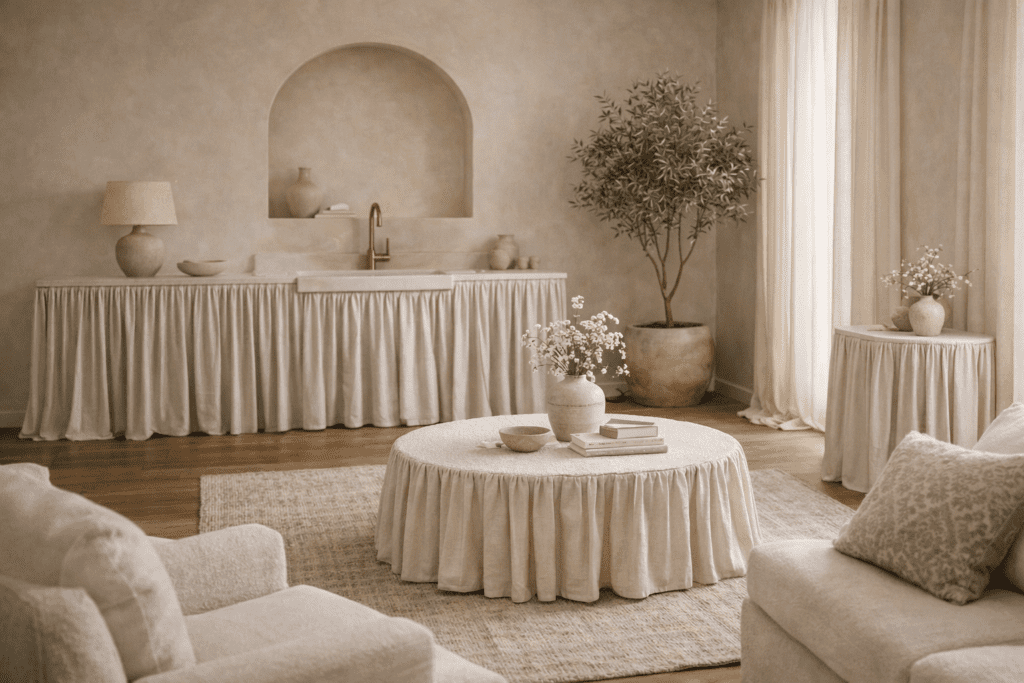
Beyond upholstery, designers are using skirts to add movement and comfort in unexpected places. A ruffled sink skirt, pleated console cover or shirred base on a coffee table introduces softness where you least expect it.
What defines the 2026 skirt trend:
- Varied lengths and styles: From crisp box pleats to relaxed ruffles, skirted pieces can be tailored or casual. Pick the style that matches your room’s mood.
- Unexpected applications: Kitchen islands, vanities and sideboards wear skirts in lieu of standard doors. This hides clutter and infuses charm into functional areas.
- Complementary fabrics: Choose skirt fabrics that echo or contrast with surrounding upholstery. Cotton ticking, striped linen and subtle florals are particularly popular.
Designer advice: Use skirted pieces to conceal storage or plumbing without heavy cabinetry. In open‑plan layouts, they delineate zones and add visual softness.
Why it’s popular: Skirts bring a sense of craftsmanship back to interiors. They reference traditional tailoring while fitting seamlessly into modern schemes.
Interior Design: Bold Stone and Marble Applications
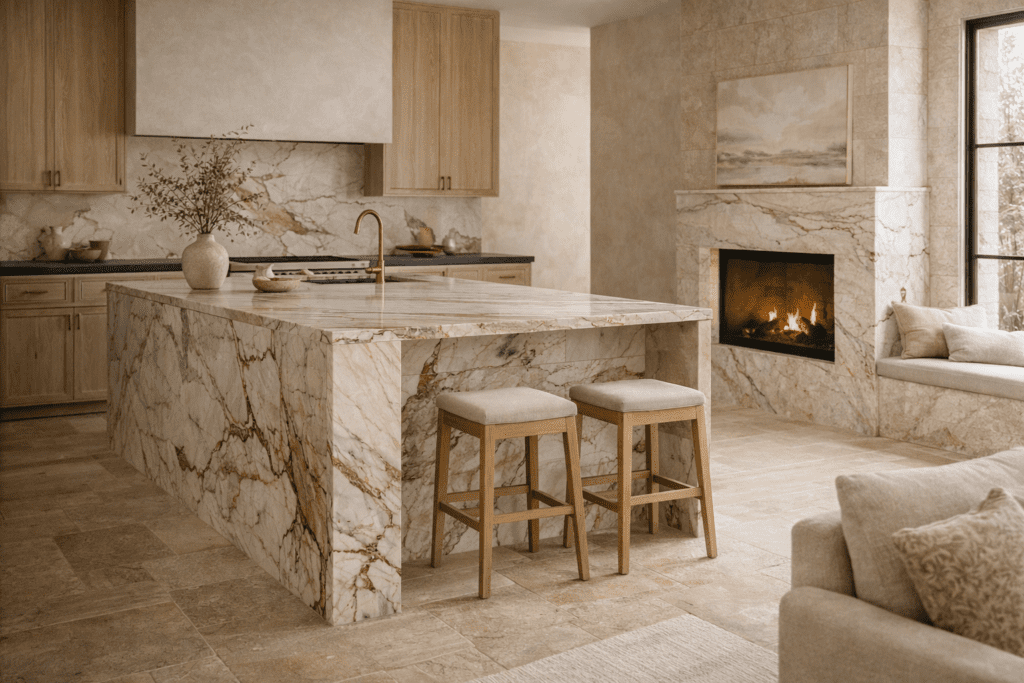
Stone surfaces have always conveyed luxury, but 2026 takes it up a notch. Marble, onyx and other expressive stones are used beyond countertops—cladding entire islands, encasing doorframes and forming sculptural backsplashes.
What’s different this year:
- Large‑scale installations: Stone slabs wrap around kitchen islands, bathroom vanities and even walls. The continuous veining becomes a statement piece.
- Unconventional locations: Marble and travertine appear on fireplace surrounds, staircase treads and window seats, proving stone isn’t limited to kitchens and baths.
- Mixing stones: Combining two or three different stones in one space creates a layered, collected feel. For example, a travertine floor paired with a marble mantel and soapstone counters.
Expert tip: Let the stone lead the design. Choose cabinetry, fixtures and paint colours that complement the stone’s undertones rather than compete with them.
Why it’s popular: Bold stone introduces natural pattern and texture, making each installation unique. These surfaces also last for decades, aligning with the trend toward longevity.
Interior Design: Warm Earth Tones Balanced With Cool Accents
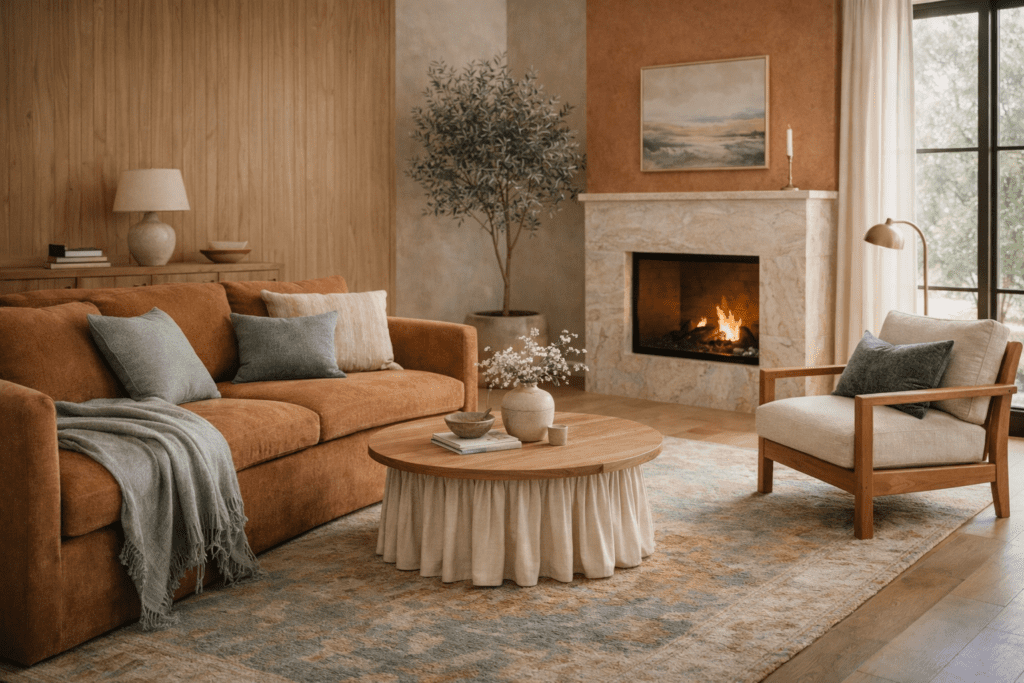
Colour in 2026 leans toward sunbaked hues like terracotta, golden wheat and creamy taupe. Instead of the all‑beige schemes of past years, these warm shades are paired with cooler accents to create balance.
Where this trend shows up:
- Walls and millwork: Honey‑toned wood paneling, matte peach paint and soft caramel trims bring warmth to living spaces.
- Furnishings and textiles: Upholstery and rugs feature earthy colours contrasted with cool blues and greens in pillows or throws.
- Accessories: Metallic accents in brushed brass or antique bronze complement the warm palette without feeling too glamorous.
Professional insight: When using warm colours, add at least one cooler element—such as slate gray or deep teal—to ground the palette. This prevents the room from feeling oversaturated.
Why it’s popular: Earth tones evoke comfort and nostalgia while the cool accents keep the palette fresh. The combination feels optimistic and lived‑in, which resonates with homeowners looking for depth without heaviness.
Interior Design: Biophilic Interiors and Natural Light
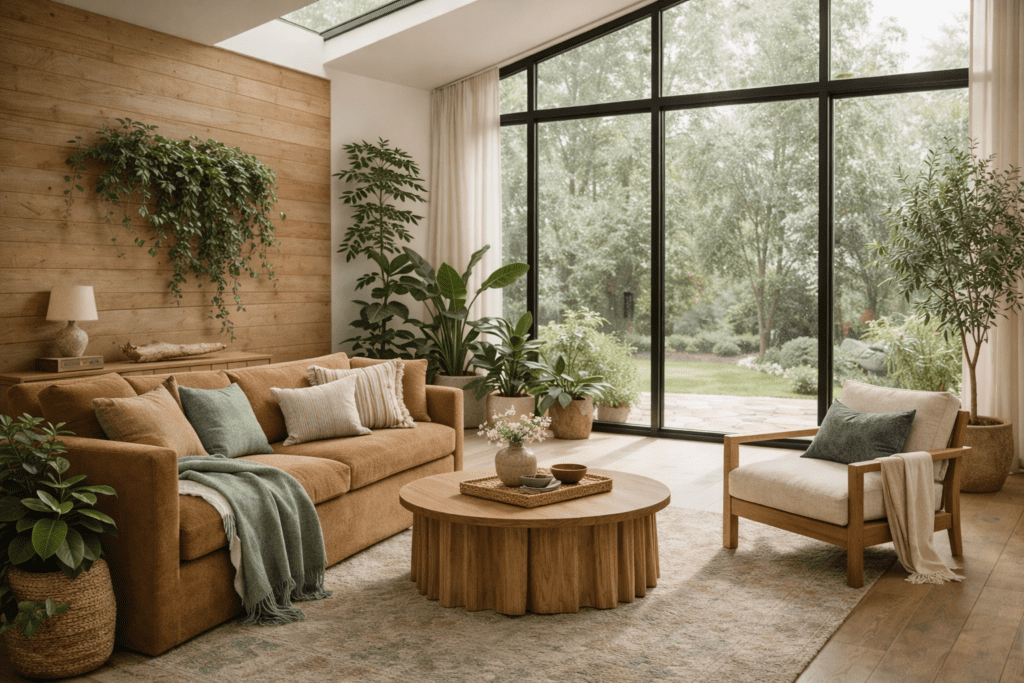
Bringing the outside in remains a cornerstone of modern design. In 2026, biophilia goes beyond houseplants; it’s about designing rooms that foster a connection to the natural world.
How to embrace biophilic design:
- Maximise daylight: Swap heavy drapes for sheer treatments or leave windows bare. Consider skylights or floor‑to‑ceiling glass to flood spaces with natural light.
- Add greenery: Cluster low‑maintenance houseplants in groups to mimic nature. Vary plant heights and leaf textures for visual interest.
- Use organic materials: Incorporate rattan, reclaimed wood and stone to ground the space. These materials age beautifully and add warmth.
Practical tip: To ensure plants thrive, choose species suited to your home’s light levels. A living wall or trailing vine can be dramatic in rooms with high ceilings.
Why it’s popular: Natural elements reduce stress and improve indoor air quality. Biophilic rooms feel refreshing and timeless, making them a wise investment.
Interior Design: Personalized Spaces Over Universal Rules
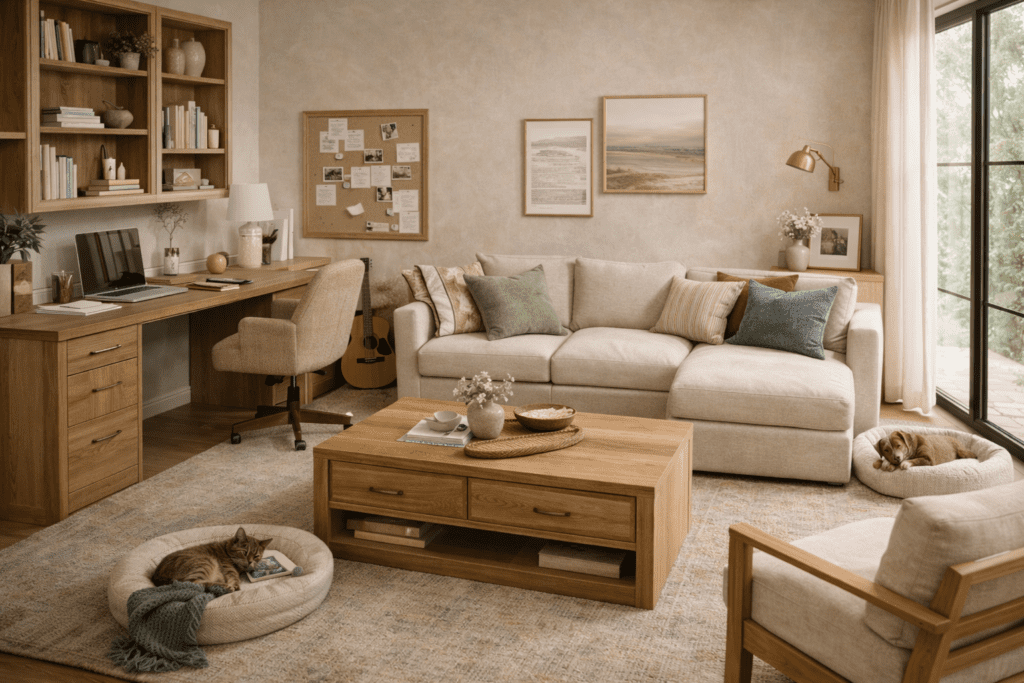
The most significant shift in 2026 is the move away from “one‑size‑fits‑all” design. Interiors now tell personal stories and adapt to the way people live—whether that means accommodating remote work, family gatherings or aging gracefully.
What personalization looks like:
- Flexible layouts: Modular seating and movable partitions allow rooms to evolve for work, play and relaxation.
- Function‑driven choices: Instead of copying catalogues, homeowners are choosing furniture and materials based on lifestyle factors such as pets, kids, hobbies or aging in place.
- Emotion‑based design: Décor is chosen to evoke specific feelings—calm in a bedroom, energy in a kitchen, inspiration in a home office.
Designer shift: Professionals are spending more time understanding clients’ routines and values. This leads to bespoke storage solutions, custom colours and unique art that reflect the homeowner’s story.
Why it’s popular: People want their homes to feel authentic, not staged. Personalized interiors are more resilient to trends because they’re grounded in individual needs and preferences.
Final Thoughts: Why These Interior Design Trends Matter in 2026
The interior trends dominating 2026 aren’t about reinventing your home every season; they’re about creating environments that nurture and inspire. Soft layers and skirted details bring comfort and personality. Architectural curves and bold stone installations add timeless character. Warm palettes balanced with cool accents provide depth, while biophilic elements reconnect us to nature. Most importantly, the focus on personalization ensures that design serves the people who live there—not an abstract idea of style.
As you consider updating your home, remember: the best trend is the one that feels right for you. Use these ideas as starting points, then adapt them to suit your space, lifestyle and story. That’s what makes a home truly modern in 2026.
Disclaimer
The information shared in this article is intended for inspiration and general guidance only. Interior design trends and recommendations may vary based on personal preferences, space limitations, budgets, and regional availability. Always consider your individual needs and consult a qualified professional when making significant design or renovation decisions.
FAQs
Are neutral interiors still popular?
Neutral palettes remain in favour, but the look has warmed up. Designers are steering away from stark white or cold grey in favour of nature‑inspired shades like clay, soft browns and muted greens. These warmer neutrals create a cozy atmosphere and pair beautifully with natural textures.
How important is sustainability in interior design?
Sustainability is more than a buzzword—it’s becoming a key principle. Homeowners and designers are investing in durable, long‑lasting pieces made from responsibly sourced materials. Choosing quality furniture, natural finishes and eco‑friendly options helps to reduce waste and makes spaces feel grounded.
Do modern interior design ideas still work?
Yes. Modern interiors aren’t going anywhere; they’re just evolving. Clean lines are being softened with more comfortable textures, curved silhouettes and personal touches. The result is a relaxed take on modernism that feels welcoming rather than austere.
How can I update my home without constantly chasing trends?
Start with solid foundations—think thoughtful layouts, layered lighting and timeless materials. Then, bring in trend‑driven elements through easily changeable items such as paint, pillows, artwork or accent furniture. This way, you get a fresh look without committing to a full overhaul every year.
Which materials will take center stage in interior design in 2026?
Expect to see an emphasis on tactile, natural materials. Rich woods, imperfect stone surfaces, smoked or reeded glass, and metals with brushed or patinated finishes are all gaining traction. Designers love these materials because they add depth and character while often being responsibly produced.
What are the 2026 decor trends and the most popular styles?
Decor is shifting toward spaces that feel collected and personal. Soft, sculptural shapes are replacing hard edges, and there’s a move toward “warm minimalism” and gentle brutalism—styles that keep ornamentation to a minimum but still feel inviting. These trends encourage you to create a space that reflects your personality rather than following a strict template.