
Pet care is reshaping the way people think about responsibility, wellbeing, and everyday companionship—and if your routine with your dog or cat has started to feel less balanced or intentional, you’re not alone. Welcome to Home Well Zone, where we explore practical, thoughtful ways to care for the pets who share our homes. Whether you’re aiming to support better health, create calmer daily routines, or make small changes that truly improve your pet’s comfort and happiness, this article is designed to inform, guide, and inspire. Let’s step back, focus on what matters most in pet care, and move toward healthier, more connected living—one mindful choice at a time.

As the calendar turns to 2026, many pet owners pause and ask a simple question:
Are we doing everything we can to give our dogs and cats the healthiest life possible?
The New Year isn’t just about resolutions for humans—it’s also the perfect moment to reset routines for the pets who depend on us every day. From nutrition and preventive care to mental wellbeing and comfort at home, small adjustments can make a big difference over the next twelve months.
This New Year pet care checklist is designed for real homes across the United States and Canada—busy households, changing seasons, and pets at every life stage.
Read More: Veterinary and grooming anxiety in dogs
Pet Care Starts With Preventive Health

One of the most impactful ways to care for dogs and cats in 2026 is focusing on prevention rather than reaction. A routine veterinary visit early in the year provides a clear baseline for your pet’s health and helps catch concerns before they become costly or painful.
A standard wellness visit often includes:
- A full physical exam
- Vaccination and booster review
- Dental and gum health check
- Weight, joint, and mobility assessment
- Parasite prevention planning based on regional risks
Preventive care is especially important in North America, where seasonal weather changes can affect everything from joint health to parasite exposure.
Pet Care Re-evaluates Everyday Nutrition

Nutrition trends evolve, and so do your pet’s needs. What worked last year may no longer be ideal in 2026—especially as pets age or activity levels change.
This year, many US and Canadian pet owners are:
- Switching to cleaner ingredient lists
- Adjusting portions to address weight concerns
- Choosing age-specific formulas for puppies, kittens, adults, and seniors
- Paying closer attention to hydration, especially during winter months
Balanced nutrition supports energy, digestion, immune strength, and long-term vitality.
Pet Care Supports Mental Wellbeing
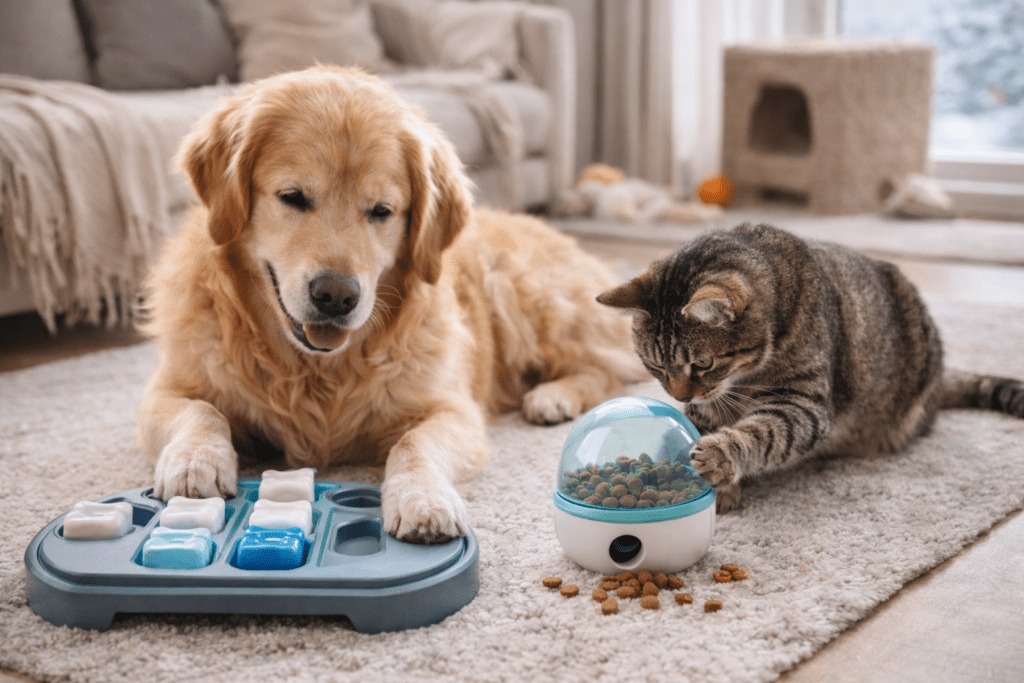
Mental health is becoming a major focus in modern pet care. Dogs and cats that lack stimulation can develop anxiety, restlessness, or unwanted behaviors—particularly during colder months when outdoor time is limited.
Simple ways to support mental wellbeing include:
- Puzzle toys and interactive feeders
- Short daily training or play sessions
- Rotating toys to prevent boredom
- Providing quiet, safe spaces for rest
Mental enrichment helps pets feel secure, confident, and emotionally balanced.
Pet Care Refreshes the Home Environment

Your home environment plays a major role in your pet’s comfort. A New Year reset is a good time to view your living space from your pet’s perspective.
Helpful updates for 2026:
- Replacing worn-out beds with supportive options
- Ensuring floors and pathways are easy to navigate for senior pets
- Securing cords, cleaning products, and seasonal décor
- Creating warm, draft-free resting areas in colder regions
A pet-friendly home reduces stress and promotes better daily habits.
Pet Care Encourages Consistent Movement

Regular movement is essential for maintaining a healthy weight, strong joints, and emotional balance. While winter weather in many parts of the US and Canada can limit outdoor activity, consistency matters more than intensity.
Effective movement habits include:
- Short daily walks adjusted for weather
- Indoor play during extreme cold or heat
- Low-impact activities for aging pets
- Supervised outdoor time when conditions allow
Even modest daily movement supports long-term health.
READ MORE: HOME IMPROVEMENT: QUIET CHANGES TRANSFORMING HOMES IN 2026
Pet Care Relies on Daily Observation

Pet parents are often the first to notice subtle changes. Paying attention to small shifts can lead to earlier care and better outcomes.
In 2026, smart observation means watching for:
- Changes in appetite or water intake
- Altered sleep or energy patterns
- Bathroom habit changes
- Shifts in behavior or mood
Keeping simple notes or reminders can make a meaningful difference.
New Pet Care Strengthens the Human–Pet Connection
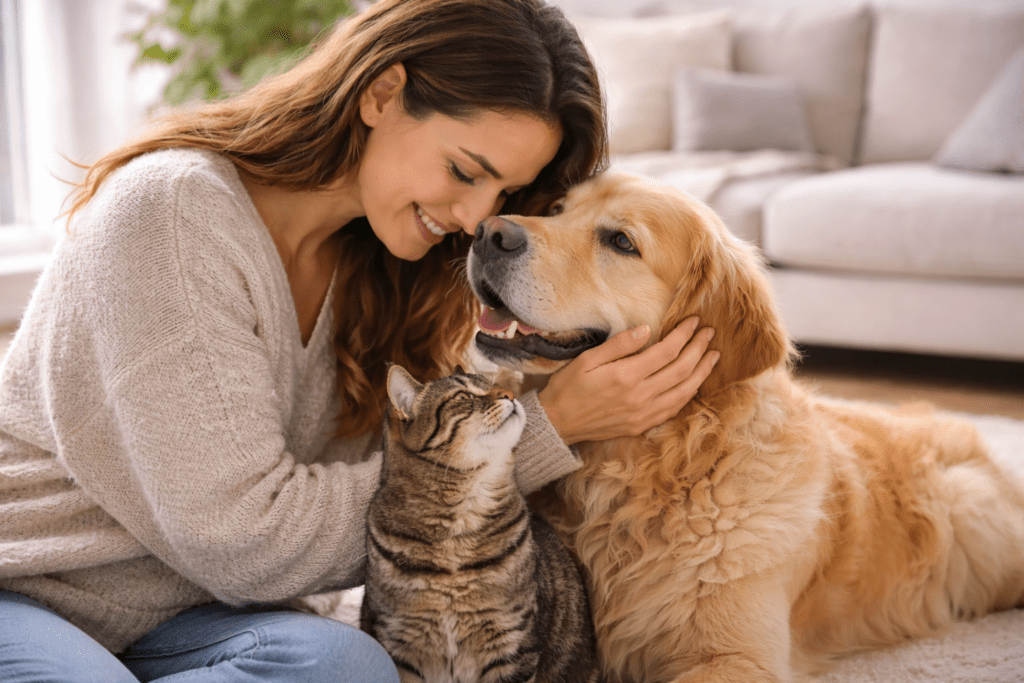
Beyond checklists and routines, pet care is about relationship. Time, patience, and understanding build trust—and trust leads to better behavior and wellbeing.
Daily habits that matter:
- Calm greetings and positive reinforcement
- Predictable routines
- Respect for your pet’s personality
- Quality one-on-one time, even if brief
A strong bond improves both physical and emotional health.
Looking Ahead to a Healthier 2026
A thoughtful New Year Pet Care Checklist for Dogs and Cats 2026 isn’t about perfection—it’s about intention. By focusing on preventive health, balanced nutrition, mental stimulation, and daily connection, pet owners across the US and Canada can set the foundation for a happier year ahead.
The best care doesn’t come from big changes.
It comes from consistent, caring choices—one day at a time.
Watch BEFORE YOU ADOPT A PET in Heartopia! Pet Care & Breed Guide
Editorial Policy & Accuracy Statement
This article is intended for informational purposes only and does not replace professional veterinary advice. Pet health needs vary by age, breed, and medical history. Always consult a licensed veterinarian for personalized care recommendations.
FAQs
How to take care of cats and dogs?
Taking care of cats and dogs in the US and Canada means providing proper nutrition, routine veterinary care, daily attention, and a safe home environment. Dogs usually need regular walks, training, and social interaction, while cats require clean litter boxes, mental stimulation, and quiet spaces. Both pets need fresh water, preventive care like vaccinations and parasite control, and consistent routines. Love, patience, and responsible care help pets stay healthy and emotionally secure.
What are the 10 things cats need?
Cats need ten essential things to thrive: nutritious food, fresh water, a clean litter box, a safe indoor space, scratching posts, interactive play, regular vet visits, grooming, comfortable sleeping areas, and gentle affection. Meeting these needs helps cats maintain good health, reduce stress, and feel secure in their home.
How do you take care of a pet 10 lines?
1. Taking care of a pet requires daily commitment.
2. Pets need healthy food and clean water every day.
3. A safe and comfortable home is essential.
4. Regular vet visits help prevent health problems.
5. Exercise keeps pets active and strong.
6. Grooming supports hygiene and comfort.
7. Training improves behavior and safety.
8. Playtime provides mental stimulation.
9. Pets need attention and companionship.
10. Consistency builds trust and wellbeing.
Is having a dog and a cat a good idea?
Having both a dog and a cat can be a good idea for many US and Canadian households if introductions are done carefully. Compatibility depends on temperament, training, and proper supervision. Giving each pet their own space and routine helps reduce stress. With patience and structure, dogs and cats can live together peacefully and even form strong bonds.
What is the 3-3-3 rule for cats?
The 3-3-3 rule explains how cats typically adjust to a new home. In the first 3 days, cats may hide or act anxious. After about 3 weeks, they begin to relax and learn routines. By 3 months, most cats feel comfortable, confident, and fully adjusted to their environment.
Do cats sleep with you to protect you from evil?
Cats do not sleep with people to protect them from evil, but they often choose to sleep near humans they trust. Cats seek warmth, comfort, and familiarity. Sleeping close is a sign of bonding and security rather than protection from negative forces, though cultural beliefs may interpret it differently.