
Welcome to Home Well Zone. Current research in environmental health and home wellness shows that a clean kitchen does not always mean a healthy one. Everyday kitchen practices—often unnoticed—can influence indoor air quality, food safety, and long-term family well-being. As modern kitchens become more efficient and compact, these hidden risks are increasingly relevant in 2026. This article examines common yet overlooked kitchen health hazards through the lens of recent scientific findings and practical household observations, offering clear, evidence-based guidance to help create safer and healthier home environments.

Your kitchen is meant to nourish your body and bring comfort to your home. Yet recent research shows that many modern kitchens may be silently affecting health in ways most homeowners never consider. From indoor air pollution and chemical exposure to bacteria buildup and energy inefficiency, everyday kitchen choices can have long-term consequences.
In 2026, health experts and environmental researchers are urging homeowners to rethink how their kitchens are designed, used, and maintained. This guide breaks down the hidden kitchen health risks and offers practical, science-backed solutions you can apply immediately.
Read More: 5 Kitchen Habits Quietly Hurting Your Health
How Gas Stoves Are Quietly Harming Indoor Health

Gas stoves remain popular across U.S. homes, but studies now confirm that they release harmful pollutants directly into indoor air. When gas burns, it produces nitrogen dioxide (NO₂), a pollutant linked to asthma, respiratory inflammation, and reduced lung function—especially in children and older adults.
Research shows that in poorly ventilated kitchens, pollution levels during cooking can rival or exceed outdoor urban air pollution. Small apartments and rental homes face the highest risk due to limited airflow.
Health-Focused Solutions
- Switch to electric or induction cooktops when possible
- Always use a vented range hood that exhausts outdoors
- Open windows during cooking to improve air circulation
- Avoid using oversized flames or unnecessary burner time
How Non-Stick Cookware Can Impact Long-Term Health
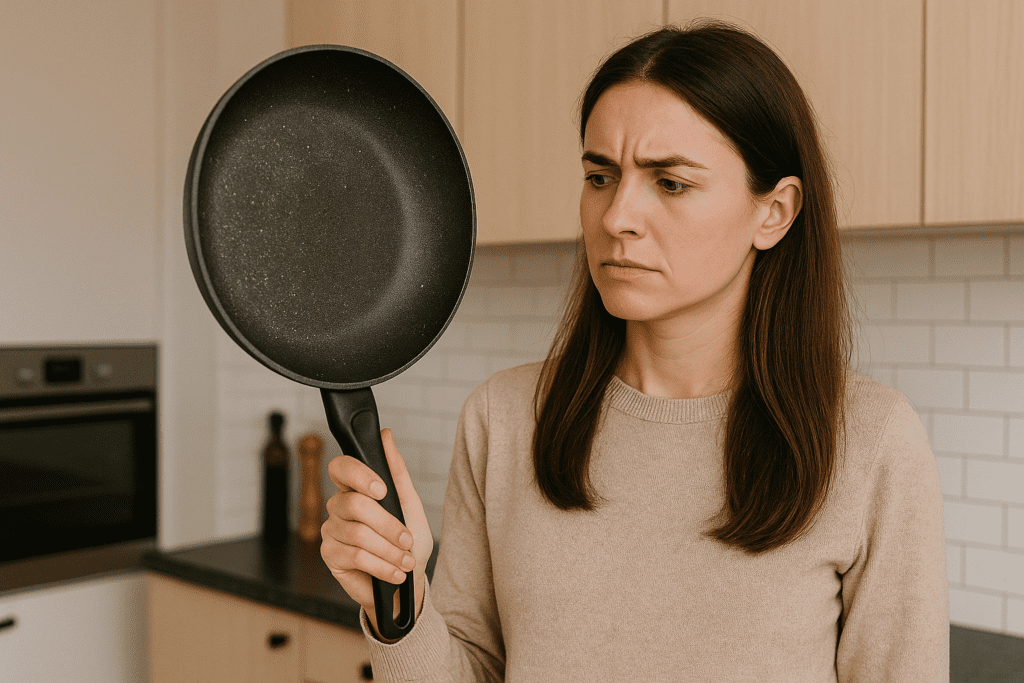
Non-stick pans are convenient, but many still rely on PFAS chemicals—often called “forever chemicals” because they do not break down easily in the body or environment. When scratched or overheated, these coatings can leach into food.
PFAS exposure has been associated with hormone disruption, fertility issues, and increased cancer risk. The concern grows when cookware is old, damaged, or used daily.
Safer Cookware Choices
- Replace scratched or peeling non-stick pans immediately
- Choose cast iron, stainless steel, or PFAS-free ceramic cookware
- Avoid overheating empty non-stick pans
- Use water filters certified to reduce chemical contaminants
How Plastic Cutting Boards Are Quietly Adding Microplastics to Food

Plastic cutting boards are widely used in American kitchens, yet recent studies show they shed microplastic particles during routine chopping. These microscopic fragments can enter food and, eventually, the human body.
While long-term effects are still being studied, microplastics have already been found in human blood, lungs, and digestive systems.
Health-Smart Alternatives
- Use wood or bamboo cutting boards for daily cooking
- Replace deeply scarred plastic boards promptly
- Assign separate boards for raw meat and produce
- Maintain boards properly to prevent cracking and bacteria buildup
How Kitchen Sponges Become a Hidden Bacteria Factory
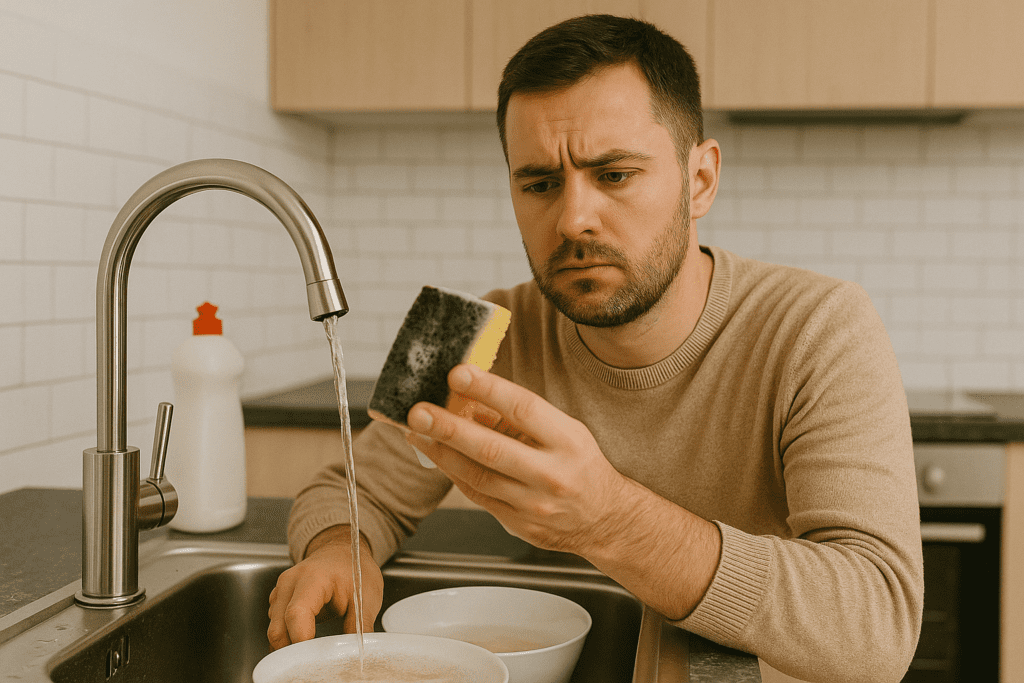
Kitchen sponges are among the most contaminated items in the home. Their damp, porous structure creates ideal conditions for bacteria growth, including strains associated with food poisoning.
Even frequent rinsing does not eliminate the problem, and research shows sponges often contain more bacteria than toilet seats.
Hygiene-First Cleaning Tips
- Replace sponges every 2–3 weeks
- Sanitize weekly using heat or dishwasher cycles
- Switch to dish brushes, which dry faster and harbor fewer germs
- Keep cleaning tools dry between uses
Read More : Clean Your Food Processor: 5 Clever Tips from a Housewife
How Cross-Contamination in Kitchens Affects Family Health

Cross-contamination happens when bacteria from raw foods spread to ready-to-eat items through surfaces, utensils, or hands. It remains one of the leading causes of foodborne illness in home kitchens.
Children, elderly family members, and people with weakened immune systems are especially vulnerable.
Simple Prevention Habits
- Wash hands thoroughly before and after food handling
- Use separate cutting boards for raw meat and vegetables
- Never wash raw poultry (it spreads bacteria)
- Clean surfaces immediately after food prep
- Store raw foods separately in the refrigerator
How Energy-Inefficient Kitchens Affect Health and Sustainability

An inefficient kitchen doesn’t just increase utility bills—it also contributes to heat stress, indoor discomfort, and environmental impact. Poor ventilation, outdated appliances, and inefficient cooking habits can raise indoor temperatures and energy use.
Health-Conscious Energy Improvements
- Use ENERGY STAR-rated appliances
- Cook with lids to retain heat
- Avoid frequent oven door opening
- Batch cook meals to reduce repeated energy use
- Keep refrigerators properly sealed and temperature-optimized
Why These Hidden Kitchen Hazards Matter in 2026
Health experts increasingly emphasize that home environments play a major role in long-term wellness. Because kitchens are used daily, even small risks can accumulate over time.
The encouraging news is that awareness leads to prevention. Most kitchen health risks can be reduced with informed choices, routine maintenance, and smarter upgrades.
Learning Outcomes
After reading this article, you will be able to:
- Identify hidden health risks in modern kitchens
- Understand how everyday kitchen tools impact indoor health
- Apply practical solutions to reduce chemical, bacterial, and air pollution exposure
- Make informed decisions when upgrading or maintaining your kitchen
Key Takeaways
- Gas stoves can significantly impact indoor air quality
- Non-stick cookware may expose families to harmful chemicals
- Plastic cutting boards contribute to microplastic intake
- Kitchen sponges are major sources of bacteria
- Cross-contamination remains a top cause of foodborne illness
- Energy-efficient kitchens support both health and sustainability
Our kitchen sink food waste disposer has already given us problems.
FAQs
Can my kitchen really affect my health?
Yes. Research shows that common kitchen elements such as gas stoves, non-stick cookware, plastic cutting boards, and unclean sponges can expose people to air pollutants, harmful chemicals, bacteria, and microplastics. Over time, these exposures may contribute to respiratory issues, hormonal imbalance, and foodborne illness.
Are gas stoves unhealthy to use indoors?
Gas stoves can negatively impact indoor air quality by releasing nitrogen dioxide (NO₂) and other pollutants during cooking. Poor ventilation increases health risks, especially for children and people with asthma. Using proper ventilation or switching to electric or induction cooktops can significantly reduce exposure.
Is non-stick cookware dangerous for everyday cooking?
Non-stick cookware can become unsafe if it is scratched or overheated. Some coatings contain PFAS chemicals, which may leach into food and accumulate in the body. Replacing damaged pans and choosing PFAS-free, stainless steel, or cast-iron cookware is considered safer for long-term health.
Do plastic cutting boards release microplastics into food?
Yes. Studies suggest that plastic cutting boards can shed microplastic particles during chopping and slicing. These particles may enter food and be ingested. Using wooden or bamboo cutting boards and replacing heavily worn plastic boards can help reduce this risk.
What is the most hygienic way to clean kitchen surfaces?
The most hygienic approach includes washing hands frequently, using separate cutting boards for raw and cooked foods, sanitizing surfaces immediately after food preparation, and replacing sponges regularly. Dish brushes and washable cloths are often more hygienic than traditional sponges.